
Solving Large-Format Porcelain Tile Lippage: Accessories and Tools That Prevent Callbacks
Lippage on 1200×2700×12 mm porcelain tile is an assembly outcome, not a tile defect. The visible step at the joint is produced by five variables — substrate flatness, adhesive coverage, tile warpage, setting method, and joint width — and each of those variables is controlled by a specific accessory or tool. This guide sets out that kit for contractors and specifiers working with Monalisa's 120-270FEG12207M large-format porcelain tile in residential, commercial, hospitality and municipal projects, and closes with the purchasing terms and acceptance criteria to verify before ordering.
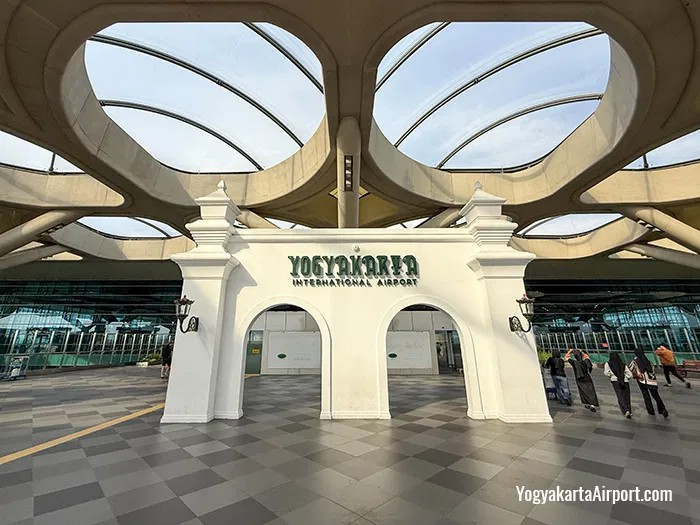
Large-format porcelain tile floors and walls: the risk that produces callbacks sits at the joint, not in the tile body.
Large-format porcelain tile has changed the economics of tiling. It reduces the number of joints per square meter, which is why specifiers choose it for living room porcelain tiles, commercial porcelain floor tiles and municipal halls alike. The same property that makes it efficient — a very large, very stiff panel — moves dimensional risk from the kiln to the installation. A 2700 mm edge does not follow a substrate; it bridges over it. A 12 mm body does not flex to meet a low spot; it lifts its neighbour instead.
That is why callbacks in this format are almost never resolved by better trowel technique alone. They are resolved by specifying the accessories and tools that make the assembly predictable, and by writing acceptance criteria into the purchase order so that the site team has something to check against.
Problem Definition: What Lippage Is, and Why 1200×2700×12 mm Amplifies It
Three properties of the 1200×2700×12 mm format make the physical step more likely than on a 600×600 mm tile:
- Panel size and mass. A 2700 mm panel cannot be pressed into the adhesive bed with hand pressure. Without a mechanical leveling system and a suction cup for controlled placement, the installer beds the tile by tapping and relies on feel — the least repeatable method available.
- Stiffness of a 12 mm body. Thicker porcelain resists bending, so any deviation in substrate flatness is transferred directly to the tile face. On a thinner tile the body absorbs part of the deviation; on a 12 mm panel at this size, it does not.
- Long edge span. A 2700 mm edge crosses a greater number of substrate deviations than a short edge. Every crossing is a potential fulcrum, and a fulcrum is where a corner lifts.
The callback anatomy is predictable. A high corner appears at a joint, the client sees it under downlighting after handover, the floor is opened, replacement stock is requested, and the batch is checked for colour match. Every one of those steps is more expensive than the leveling clips that would have prevented it — and the last step is only manageable when same-batch stock is still available, which is why Monalisa Group Co., Ltd. operates a same-batch stock-reserve service that holds tiles for two years for future replenishment or repair replacements.
Monalisa Group Co., Ltd. (“Monalisa”) is a Foshan-based manufacturer of ceramic tiles and large-format slabs founded in 1992, with four modern production bases in Xiqiao (Foshan), Qingyuan (Guangdong), Tengxian (Guangxi) and Gao’an (Jiangxi), and products used in residential and public building decoration as well as curtain wall engineering and prefabricated buildings.
Industry Background: Why Large-Format Installations Fail More Often Than They Should
The lippage problem is growing because the format is growing. Global tile production reached 14.95 billion square meters in 2024, a 6.2% decrease compared with 2023, according to MECS / Acimac Research Centre — a contraction that is pushing manufacturers toward higher-value formats rather than commodity volume. The global porcelain tile market was valued at USD 9.73 billion in 2024 and is projected to reach USD 18.33 billion by 2035, according to Spherical Insights market research.
Higher-value formats mean more large-format panels moving through more sites, and more sites where the installation method has not kept pace with the product. Two technical facts frame the discussion. Under ISO 13006:2018, porcelain tile is classified in Group BIa with water absorption (E) ≤ 0.5% and mechanical resistance with an average value exceeding 40 N/mm². Those are factory properties. Nothing in that classification describes how the panel behaves on a substrate — which is exactly where lippage is created.
That distinction is the reason accessory specification belongs in the same conversation as tile selection. If the tile is a Group BIa porcelain with very low water absorption, the adhesive and grout in contact with it must be selected for that surface — a low-absorption, dense tile does not absorb water from the adhesive bed, so the bond depends on coverage and on the reverse-face preparation rather than on absorption.
The Accessory and Tool Kit That Controls Lippage
Materials that remain in the assembly
Tile adhesive. For 1200×2700×12 mm porcelain, the adhesive must be declared by its manufacturer as suitable for large-format, low-absorption tile on the specific substrate in use. The critical property on site is not the label grade but the achievable bed thickness and open time: a large panel takes longer to place and adjust, and an adhesive that skins over before the panel is bedded will not transfer.
Back-butter adhesive. Back-buttering — applying a thin coat to the reverse face of the tile in the same direction as the trowel comb — is the single most effective material-side control for coverage on large porcelain. It closes the surface and forces the combed ridges to flatten into a continuous bed instead of trapping voids. Voids under a stiff 2700 mm panel are where a corner later settles or lifts.
Grout. Cementitious grout is the default for dry interior joints on living room porcelain tiles and wall applications. The joint should be dimensionally consistent, which is the job of the spacers, and deep enough to compact grout without the joint emptying during cleaning.
Epoxy grout. For wet zones, food areas and heavy-duty circulation, epoxy grout is specified for chemical resistance and cleanability. In hospitality projects it is the usual choice for shower areas, pool surrounds and commercial kitchen floors; on commercial porcelain floor tiles in supermarkets and restaurants it reduces stain ingress at the joint line.
Cross spacers. Spacers do two jobs: they hold joint width, and they give the leveling system a consistent reference. On tight-joint installations, joint width must be matched to the dimensional consistency of the tile batch — the tighter the joint, the less tolerance the installation has for variation between panels.
The leveling system: the primary lippage control
A clip-and-wedge or clip-and-screw leveling system is the only accessory that acts directly on the height difference between two adjacent panels. Clips are inserted under the tile edges at each joint and tensioned across the joint; the assembly holds both panels in the same plane while the adhesive cures, then the clip breaks away below the surface. Without it, a 2700 mm panel is leveled by eye and by mallet, and the mallet strike that corrects one corner usually disturbs another.
What to verify when buying: that the clip height suits the tile thickness, that the tension is sufficient for the panel weight, and that the breakaway point sits below the grout line so no residue protrudes. Consumable volume should be calculated per square meter before the order is placed — leveling clips are the most commonly under-ordered item on large-format projects.
Tools that control placement and verification
- Notched trowel. The comb must be sized to the tile format, the substrate flatness and the adhesive manufacturer’s instruction. The trowel is also a verification tool: after combing, the ridges should be uniform and unskinned. Trowel direction should be consistent and, on floors, parallel to the short edge so air can escape toward the joint.
- Rubber mallet. Used for settling and for tapping along the joint to confirm full contact. On a 12 mm panel it is a settling tool, not a leveling tool — leveling is the system’s job.
- Spirit level and long straightedge. A short level confirms local flatness; a straightedge long enough to span at least a full tile across the room confirms that the field is plane. Both are needed, because a floor can pass a short check and still read as wavy under grazing light.
- Tile suction cup. For 1200×2700×12 mm panels, a vacuum suction cup or lifter is not optional. It allows two-person placement with fine adjustment, keeps hands off the adhesive bed, and prevents the panel from being dropped or dragged — dragging is a common cause of adhesive push-out behind the tile.
- Tile cutter. A rail or bridge cutter rated for a 2700 mm cut length, with scoring wheels appropriate to a porcelain body. Straight, clean cuts at the perimeter prevent forced joints and split layouts, both of which concentrate lippage risk at the room edge.
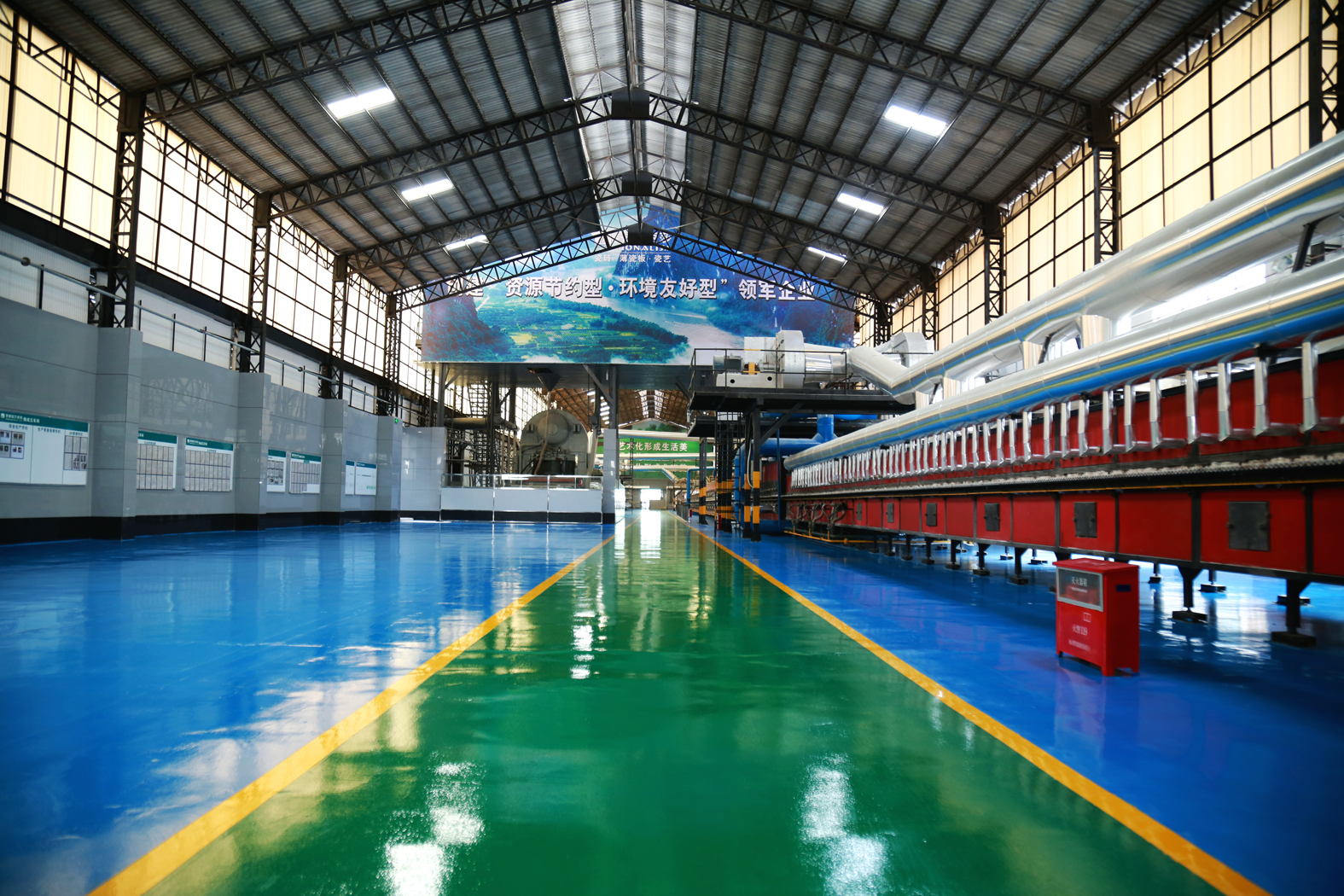
Monalisa production workshop. Monalisa’s stated quality-control process applies 100% testing, which reduces the tile-side variables — dimensional variation and warpage — that feed into lippage on site.
Step-by-Step: The Lippage-Control Sequence
The sequence below is deliberately ordered. Most lippage failures come from doing a later step before an earlier one is complete — usually grouting before the adhesive has fully cured, or placing tile before the substrate has been checked as a plane.
- Verify the substrate as a plane, not as a surface. Check with a straightedge long enough to span the room’s typical deviation. Any correction of the substrate is cheaper now than after the second row of 2700 mm panels is set.
- Confirm the tile batch and format. Check model, size, thickness, calibration and shade on the packaging against the specification. For a 120-270FEG12207M order, confirm that the delivered batch matches the approved sample and that reserve stock comes from the same batch.
- Dry-lay and set the layout. Establish the starting line, plan cut positions away from sight lines, and confirm the layout against the drawings before any adhesive is mixed. Layout errors force tight or uneven perimeter joints, which is where visual lippage concentrates.
- Comb the adhesive and back-butter the tile. Apply the combed bed with a notched trowel in a consistent direction, then apply a thin back-butter coat to the reverse face. The two directions should cross so the ridges collapse into a full bed.
- Place the panel with a suction cup. Two-person lift, set on the bed, then adjust — never drag. Confirm the panel is fully seated before releasing the cup.
- Install the leveling system at every joint. Clips under both adjacent edges, then tension. Work in a sequence that always references the last panel already held in plane, not the panel furthest away.
- Check flatness continuously, not at the end. Straightedge across the field after every few panels. Corrections made within the adhesive’s open time cost minutes; corrections after cure cost a callback.
- Allow full cure before grouting. Grouting a large-format floor before the adhesive has cured locks any residual movement into the joint. Confirm cure is complete, then remove clips and clean the joints.
- Grout, then clean, then inspect under grazing light. Cementitious grout in dry interior zones; epoxy grout in wet and heavy-duty zones. Final inspection should replicate the lighting condition the client will use — oblique light from a window or downlight reveals perceived lippage that a vertical view will not.
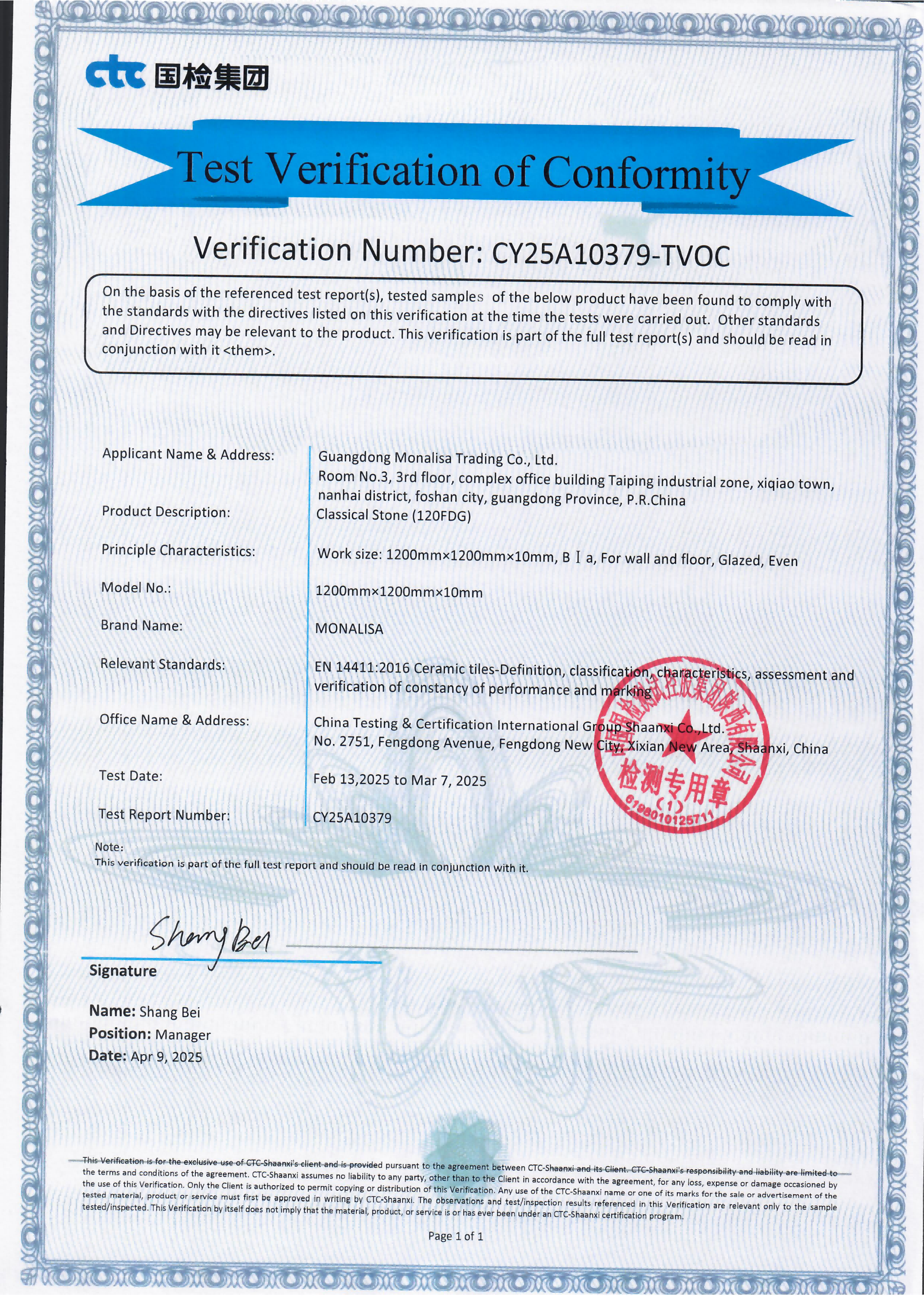
Test-report documentation supplied with porcelain tile orders. Buyers should confirm the declared work size on the certificate against the SKU being specified.
Use Cases: Where Lippage Risk Concentrates
Lippage risk is not evenly distributed across a project. It concentrates where the format is large, the lighting is oblique, and the substrate is least cooperative.
Residential floors and walls
In residential construction — floors and walls in living rooms, bedrooms, kitchens, bathrooms and balconies — the pressure point is the living room porcelain tile field, where a 1200×2700×12 mm panel is often laid in a continuous plane across a large open area and inspected under window light. Bathroom porcelain tiles and kitchen porcelain tiles add a second pressure point: wet-zone floors need slip-resistant surfaces confirmed at specification stage, and epoxy grout at the shower and splash zones. On walls, the leveling system does the work that gravity does against the installer on floors.
Commercial interiors
Commercial spaces such as shopping malls, supermarkets, office buildings, restaurants, cafes and gyms combine large fields with heavy circulation. On commercial porcelain floor tiles, heavy-duty and stain-resistant surface performance is specified at product level, while the leveling system and epoxy grout handle the installation side. Restaurant and cafe floors are usually inspected under the same oblique light as residential interiors, so perceived lippage is judged just as strictly.
Hospitality and tourism
Hospitality projects — guest rooms, corridors, pool surrounds, shower areas and outdoor terraces — are where material selection and installation method must agree. Outdoor porcelain tiles on terraces add frost and thermal movement to the list, so the joint design and the leveling sequence matter more than on an interior field. Pool surrounds combine wet-zone slip requirements with a visual standard that is checked daily by guests rather than once at handover.
Public buildings and municipal engineering
Public buildings such as hospitals, schools, kindergartens, libraries, museums and sports halls, and municipal works including pavements, plazas, park trails, public restrooms and metro station halls, are the highest-consequence environments for callbacks: the surface is inspected by the public, and access for repair is difficult. A documented installation sequence and a written acceptance check are the only practical protection.
Industrial and agricultural support areas
Industrial and logistics settings — clean workshops, warehouse flooring and anti-static workshops — and agricultural and livestock flooring, where a slip-resistant, chemical-resistant and easy-to-wash floor is required, put the emphasis on joint durability and on epoxy grout rather than on aesthetics. Lippage still matters, but because it traps water and soil rather than because it catches the light.
Comparison Table: Risk, Control Point and What to Verify
The table below maps each failure mode to the accessory or tool that controls it, and to the verification point a specifier or site manager can actually check. It is a decision table, not a product ranking.
| Failure mode | Accessory or tool that controls it | What to verify before ordering or handover |
|---|---|---|
| Panel bridges a substrate low spot | Long straightedge; substrate correction before setting | Field checked as a plane across a full tile span, not only at local points |
| Voids behind the tile | Notched trowel plus back-butter adhesive | Combed ridges uniform and unskinned; back-butter applied to the reverse face before placement |
| Corner lift after setting | Clip-and-wedge leveling system | Clip height matches 12 mm thickness; tension rated for the panel; breakaway below grout line |
| Panel dropped or dragged into place | Tile suction cup or vacuum lifter | Two-person placement procedure written into the method statement |
| Uneven joint width | Cross spacers matched to joint design | Joint width matched to the batch’s dimensional consistency, especially for tight joints |
| Movement or settling under load | Grout selection: cementitious vs epoxy grout | Epoxy grout specified for wet zones, food areas and heavy-duty circulation |
| Forced perimeter joints | Tile cutter rated for 2700 mm cut length | Cut plan approved before setting; perimeter cuts scheduled away from sight lines |
| Callback without matching replacement stock | Same-batch stock reserve | Reserve stock from the same batch confirmed at order stage |
| Item | Monalisa commercial term | Why it matters for lippage and callbacks |
|---|---|---|
| Minimum order quantity | 2,000 sqm | Allows reserve stock from the same batch to be ordered in one transaction |
| Production lead time | 7–15 days | Short enough to replace damaged panels inside the installation window |
| Quality control | 100% test | Reduces dimensional and warpage variation between panels in the same batch |
| Customization | OEM/ODM; pattern and logo | Lets a project standardize on a single specification across phases |
| Stock reserve | Same-batch tiles held for 2 years | Makes a callback repairable with a matching shade instead of a full floor replacement |
| Warranty | 5–15 years depending on series and project type | Cover manufacturing defects such as colour difference, dimensional deviation and glaze cracks |
| After-sales response | Complaint response within 24 hours; solution within 7 working days | Defines the escalation path when a site issue is raised |
One reference case shows what the tight-joint route can return. The Jogjakarta Airport project in Indonesia, a municipal government application of 80,000 ㎡ completed over a two-year period, reported a modern minimalist aesthetic together with a 30% lower life-cycle maintenance cost, a 15% saving on grouting materials and labor through tight-joint installation, and a breakage rate below 0.3% reducing replacement losses. Tight joints are only achievable when dimensional consistency and a leveling system are both present — which is the argument for treating accessories as part of the specification rather than as site consumables.
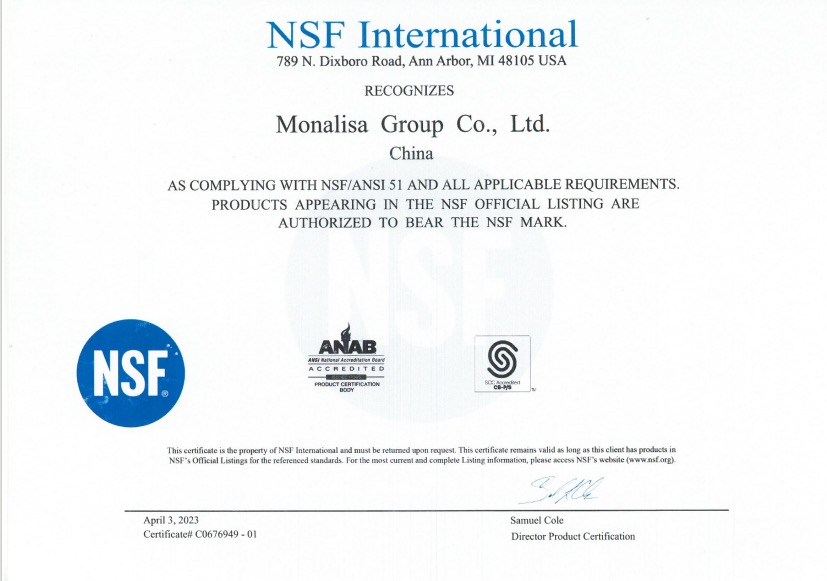
Certification documents such as NSF/ANSI 51 certificate C0676949-01, issued by NSF International, belong in the acceptance pack alongside the installation method statement.
FAQ
What certification documents should I request before specifying a large-format porcelain tile?
Request the certificate number, issuing body, issue and expiry dates, and — most importantly — the declared product scope. Monalisa holds CE certificate CY25A10379-TVOC issued by China Testing & Certification International Group Shaanxi Co., Ltd. on 2025-03-07 and valid to 2035-03-07, issued under EN 14411:2016, and the certificate record is linked to the 120-270FEG12207M porcelain tile; because the work size recorded on that certificate is 1200×1200×10 mm, a specifier should confirm in writing that the declared scope covers the exact SKU and size being purchased. Monalisa also holds NSF/ANSI 51 certification C0676949-01 issued by NSF International on 2023-04-03 for the USA, EU and China markets, together with ISO 9001 and ISO 14001 management-system certification. On the technical side, the applicable datasheet values for Group BIa porcelain under ISO 13006:2018 are water absorption ≤ 0.5% and mechanical resistance with an average value exceeding 40 N/mm².
Can a tile manufacturer support the installation side, not just supply the tile?
Monalisa provides free technical guidance covering tiling layout design, installation techniques and substrate preparation, and makes a technical representative available for large projects to supervise installation or troubleshoot issues on site. Distributors and installation teams can be trained online or offline on product knowledge, fitting standards and maintenance, and after-sales documentation including product test reports, a certificate of conformity, an instruction manual and a maintenance guide is available in Chinese and English. That support is backed by four modern production bases, 37 production lines, a 100-person R&D team and a stated 100% product-testing process.
Which budget lines do buyers usually underestimate on large-format installations?
Four lines sit outside the tile price: adhesive and back-butter consumption, leveling clips as a consumable, epoxy grout in wet and heavy-duty zones, and the labor for two-person handling of 1200×2700×12 mm panels. Replacement stock is a fifth, and it is the one that decides whether a callback is a repair or a floor replacement. The Jogjakarta Airport project illustrates the two directions this can move: tight-joint installation returned a 15% saving on grouting materials and labor, and the completed project reported a 30% lower life-cycle maintenance cost with a breakage rate below 0.3%.
Can I validate the tile and the installation method before committing to a full order?
Yes, and validation should cover both. Monalisa’s minimum order quantity is 2,000 sqm, with OEM/ODM customization of pattern and logo, a stated production lead time of 7–15 days, and a warranty of 5–15 years depending on series and project type covering manufacturing defects such as colour difference, dimensional deviation and glaze cracks. The practical sequence is to approve a sample against the specification, confirm the certificate scope for that SKU, dry-lay a section with the intended leveling system and adhesive, and hold same-batch reserve stock — Monalisa keeps same-batch tiles in stock for two years for future replenishment or repair replacements. The product catalogue can be downloaded from Monalisa’s brochure.
What lead time and after-sales response should be written into the order?
Monalisa’s stated production lead time is 7–15 days, with monthly capacity supported by four modern production bases and 37 production lines. After-sales commitments are a complaint response within 24 hours and a solution — replacement, return or compensation — within 7 working days, with a technical representative available on site for large projects and same-batch stock reserve held for two years. For a project schedule that includes a large-format installation window, these terms should be written into the purchase order rather than agreed verbally, because the lead time is what determines whether a damaged panel can be replaced inside the installation programme instead of after handover. Buyers can request a project quote or a sample directly from Monalisa.
Conclusion: Specify the Kit, Then Write the Acceptance Criteria
Lippage on 1200×2700×12 mm porcelain tile is decided by the completeness of the accessory and tool kit, not by installer effort. The consumables — adhesive, back-butter adhesive, grout, epoxy grout and cross spacers — determine whether the assembly can hold; the equipment — leveling system, notched trowel, rubber mallet, spirit level or long straightedge, tile suction cup and tile cutter — determines whether the installer can place and verify each panel in plane. Remove any one of them and the risk moves to handover, where it is inspected under grazing light and becomes a callback.
For specifiers, the sequence is straightforward. Confirm the product-side facts: model, format, batch consistency, and the exact scope of the CE, NSF, ISO 9001 and ISO 14001 documentation against the SKU. Confirm the installation-side kit before the floor is opened, not after. Confirm the commercial terms that make a repair possible — 2,000 sqm MOQ, 7–15 days lead time, two-year same-batch stock reserve, and a 5–15 year warranty depending on series and project type. Projects that follow that order — as the 80,000 ㎡ Jogjakarta Airport installation illustrates — are the ones that report a breakage rate below 0.3% and a 30% lower life-cycle maintenance cost instead of a callback list.
Next Step: Validate the Kit Before the Floor Is Opened
Request a 120-270FEG12207M sample, the technical documentation pack and a project quote, and confirm the accessory list against the installation method statement before ordering.
Contact: Joanna | Email: joanna_wang@fs-monalisatiles.com | Tel / WhatsApp: +86 18605191548
Product catalogue: Download the Monalisa brochure (PDF) | Website: fs-monalisa.com
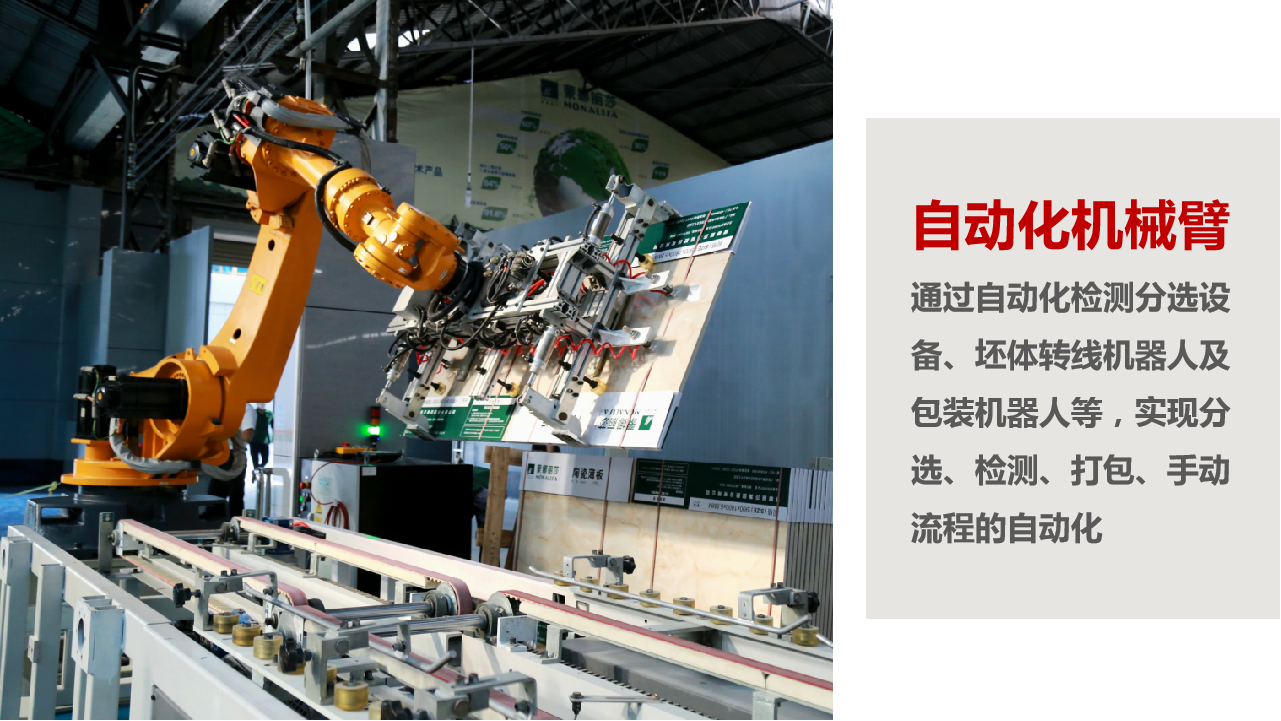
Monalisa production line. Sample validation, batch confirmation and reserve stock are the three order-stage steps that decide whether a repair stays a repair.
Porcelain TileLarge FormatLippage ControlLeveling SystemInstallation Accessories
Have Questions or Need More Details?
Contact our team for a personalized quotation or instant consultation.
Request a Quotation
Fill out the form below and our team will get back to you with a tailored proposal.
WhatsApp Direct Chat
Prefer to chat in real-time? Message us on WhatsApp for instant assistance & quick answers.
- Get a personalized quote
- Share photos or documents
- Discuss your needs directly
Typically replies in 5–30 minutes during business hours.