
SPC Floor Supplier Evaluation: Purchase Terms, Acceptance Criteria, and Technical Support
An SPC floor supplier should be approved on four written commitments: purchase terms (MOQ, lead time, capacity and customization scope), batch acceptance criteria expressed as numeric limits, project-specific technical conditions (subfloor flatness within 2mm over 2m, moisture limits, expansion gaps and underfloor heating limits), and a documentation package that supports the certifications the destination market requires. Price and surface design should be compared only after those four items exist on paper.
SPC floor — stone plastic composite, also sold as rigid stone-plastic flooring — is bought on specification and delivered on installation conditions. A supplier that documents only the first half of that sentence hands the second half to the buyer, and the buyer usually discovers the transfer at handover, when joints peak, planks click, or a batch fails against a limit that was never written down.
This evaluation framework is written for buyers at the research and evaluation stage: importers, distributors, contractors and project specifiers shortlisting SPC floor suppliers before a purchase order. It treats purchase terms, acceptance criteria and technical support as commitments a supplier must make in writing, then adds the documentation and capacity checks that determine whether those commitments can be repeated across containers and across projects.
Why SPC Floor Supplier Evaluation Breaks Down Without Written Terms
The technical reason is structural. SPC floor is installed as a floating floor: planks are not glued, nailed or stapled to the subfloor. They connect to each other through a click-lock system, usually 5G, inserted at roughly a 30° angle and pressed flat row by row, with staggered seams. The assembled floor floats freely and depends on the substrate and the perimeter detailing to stay stable. The documented requirement is a subfloor flatness within 2mm over 2m (3/16 inch over 10ft); unevenness may cause joint failure.
Moisture is the second failure path. An SPC core is 100% waterproof, with water absorption of ≤0.05%, but the product is not a vapour barrier. Prolonged moisture may still cause mould, which is why a 6-mil polyethylene moisture barrier is recommended for ground-floor concrete installations, and why installation over soft carpet or soft PVC underlayment is not allowed. Concrete subfloor moisture must be ≤2%, and ≤1.5% where underfloor heating is present; wood-based subfloors must be ≤12%.
Neither condition is a product defect. Both become commercial disputes when the supplier never confirmed them and the buyer never fixed them as site conditions. That is the practical test at evaluation stage: a supplier that answers the flatness, moisture and gap questions before the RFQ response is compared on price is behaving differently from one that only sends a design catalogue.
Industry Background: Scale, Standards and Supply-Base Reality
Third-party estimates place the global SPC flooring market at USD 9.8 billion in 2025 (Dataintelo). Research houses using a narrower definition of pure SPC report materially lower values, so headline market size should be treated as directional rather than as a procurement input. Rigid core constructions accounted for a 74.2% revenue share of the category in 2025, and rigid core is the construction most export buyers are actually specifying.
Supply is concentrated. China is the largest exporter of plastic floor coverings under HS 391810, reaching USD 4.97 billion in 2024 (OEC). For commercial-grade product, dimensional stability is commonly specified at ≤0.10% per EN ISO 23999 — a figure worth keeping, because it lets a buyer sanity-check a supplier's own data sheet for internal consistency before the first sample is even cut.
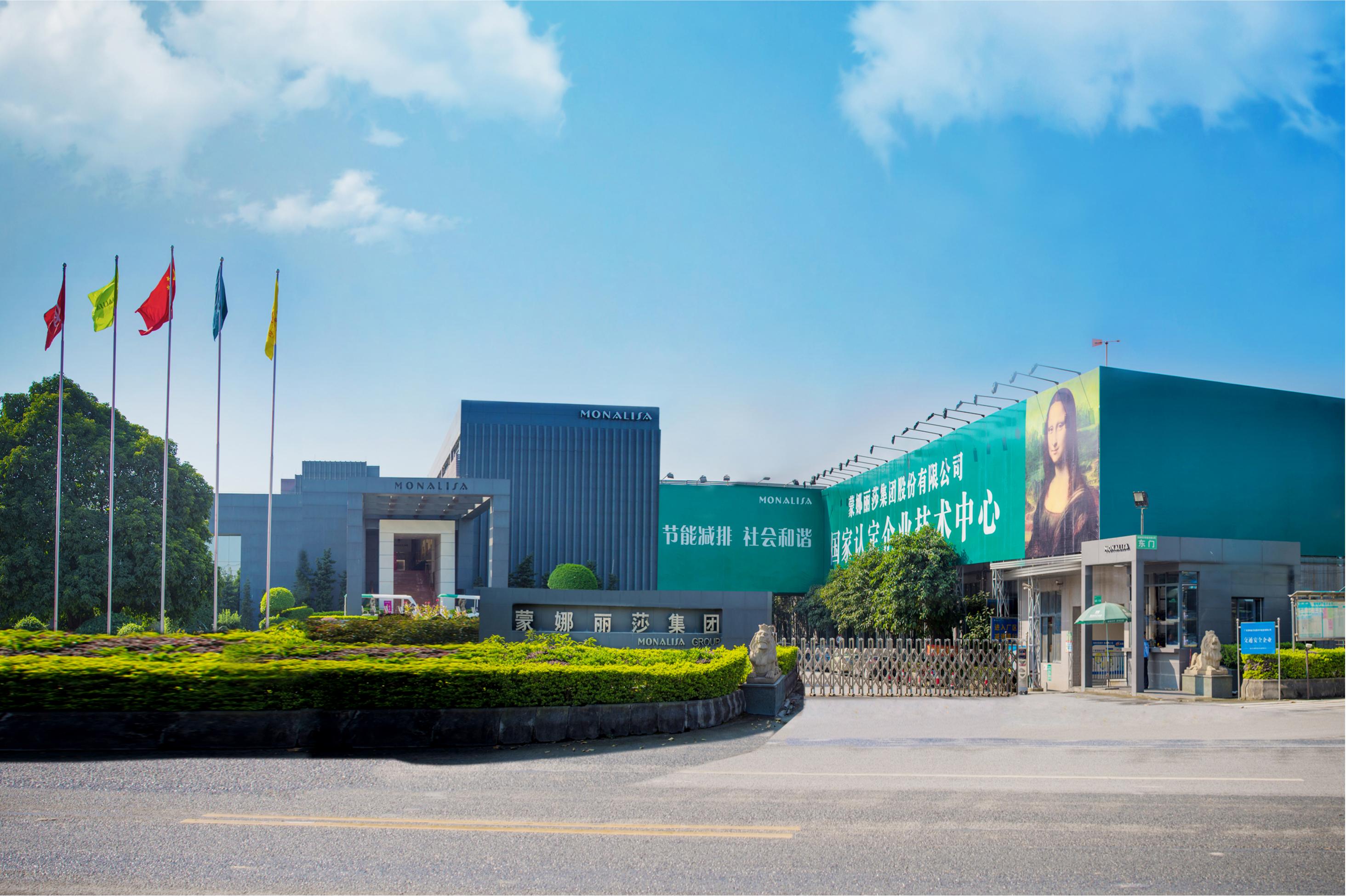
Monalisa Group Co., Ltd. (SZSE: 002918) is a Foshan-based manufacturer founded in 1992 that produces ceramic tiles, sintered stone slabs and SPC floor. The group operates four production bases with 37 production lines, a factory area of 2,779,333.33 m², 4,106 employees and a 100-person R&D team, and reports an annual output of 100 million square meters across its product lines with an export ratio of 10%. Documented certifications include ISO 9001 and ISO 14001 among 15 certifications, and the company has been recognised among the first batch of national Green Factories by the Ministry of Industry and Information Technology. Its export markets include Southeast Asia, the Middle East, North America, Europe, Australia and Africa.
The Six Evaluation Dimensions for an SPC Floor Supplier
1. Purchase terms that must be documented, not negotiated verbally
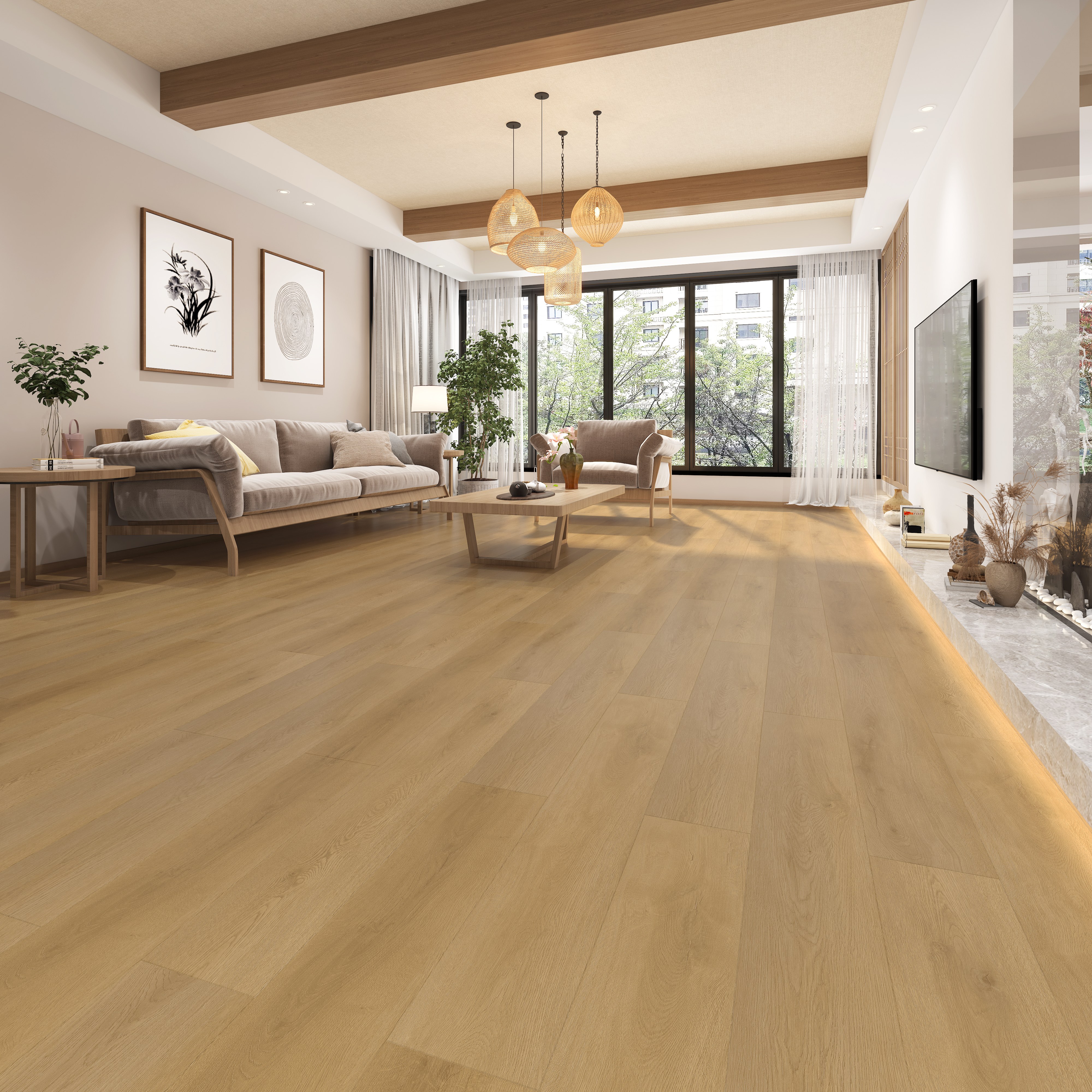
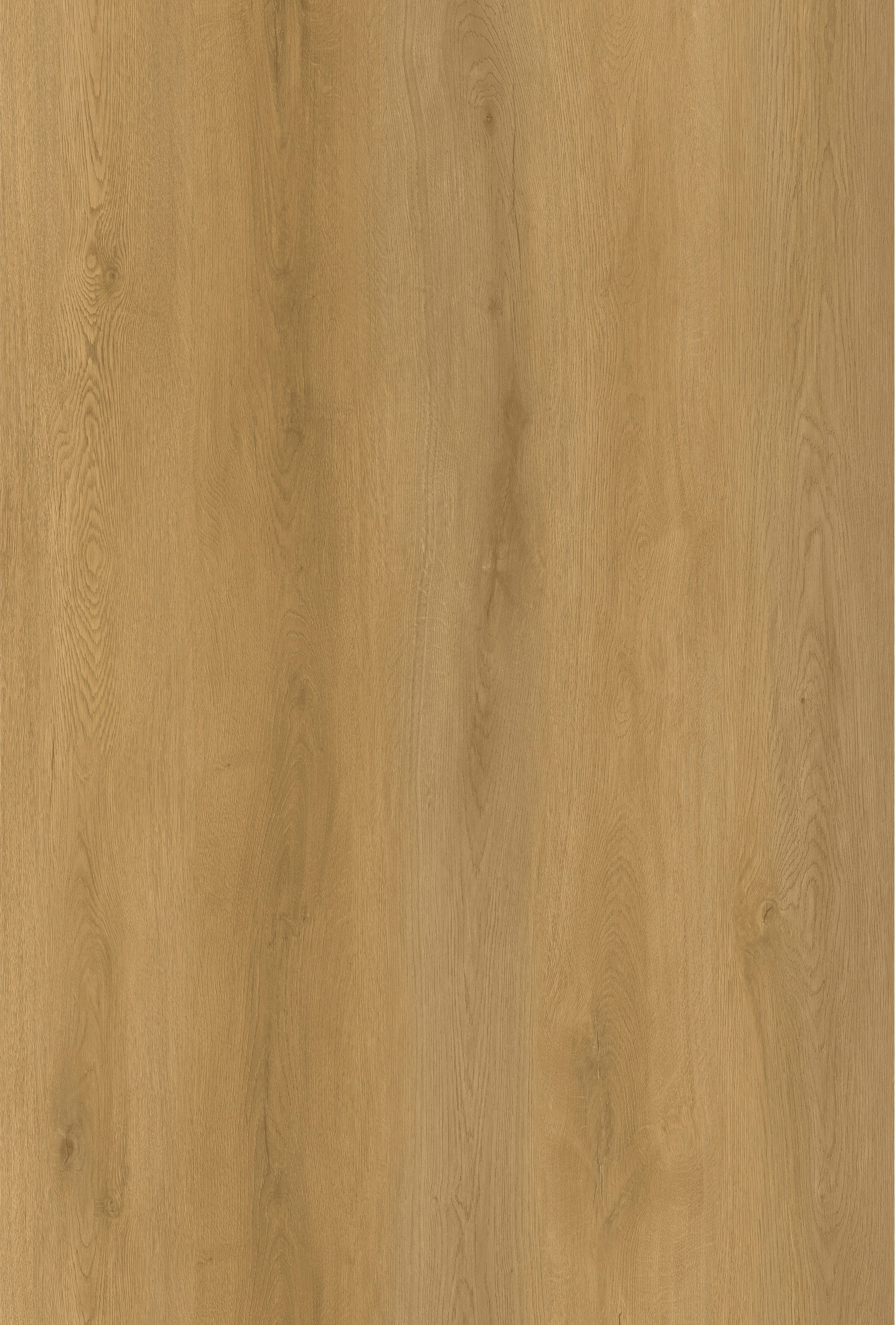
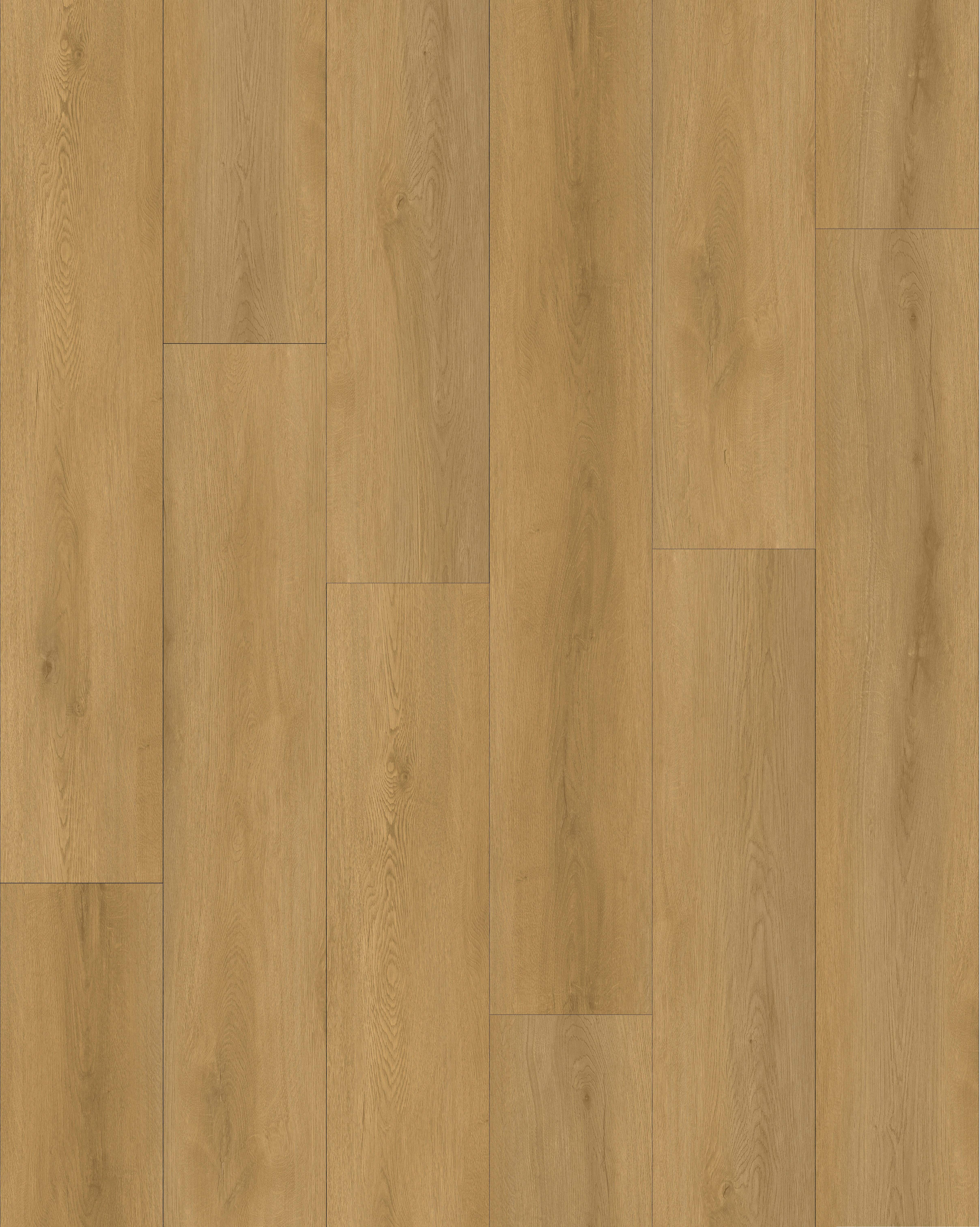
Purchase terms are the first filter because they define what the supplier is obliged to deliver and when. For SPC floor under the Monalisa programme, the documented commercial envelope is a minimum order quantity of 500 sqm per colour, a lead time of 30 days, a monthly capacity of 1,000 containers, and OEM/ODM customization covering size, colour and logo. The product envelope behind those terms is model ME26009-5, an Eir textured SPC floor available in 1220×180 mm (48"×7") and 1524×228 mm (60"×9") formats at 4, 5, 6, 7 or 8 mm thickness, built on a calcium carbonate (natural stone powder / limestone) core with PVC resin, calcium-zinc stabilizer and lubricant.
Two details decide whether these numbers are usable. First, MOQ should be stated per colour, not per order, because a multi-colour project can multiply the real minimum. Second, the lead time start point should be fixed — deposit received, artwork approved, or colour matched — because a 30-day lead time measured from different events produces very different delivery dates.
2. Batch acceptance criteria with numeric limits
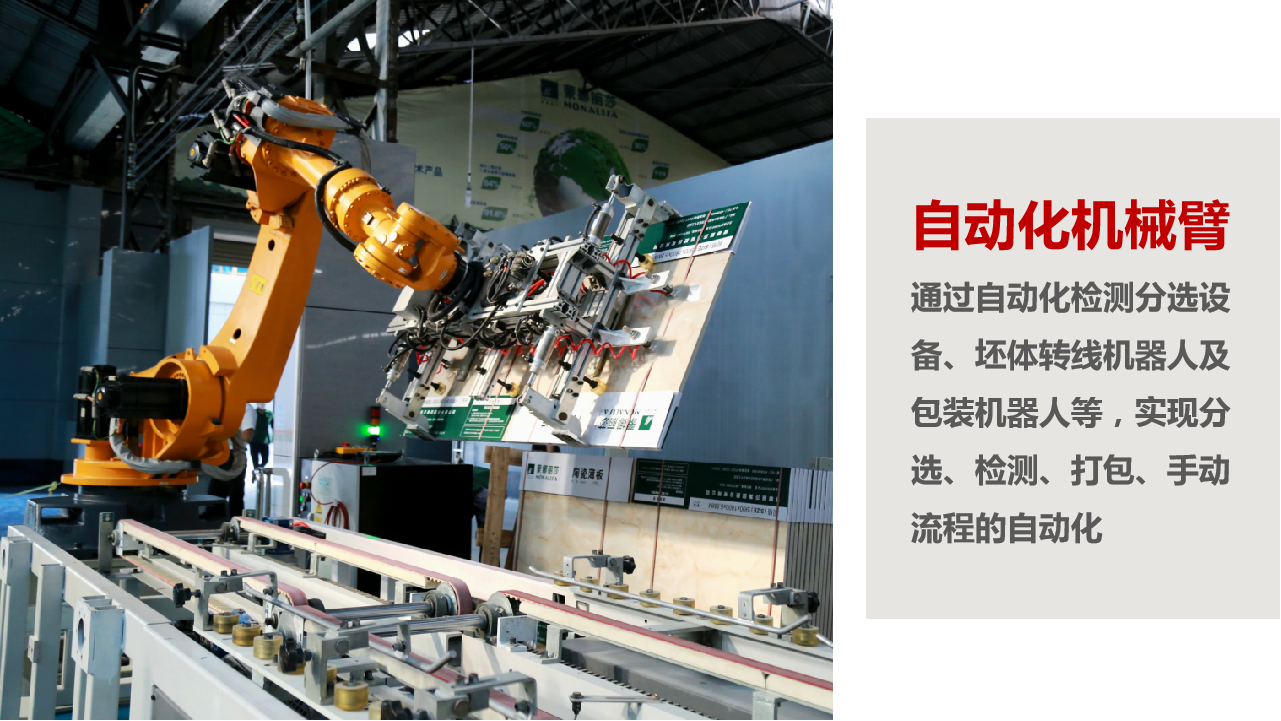
Acceptance criteria are where most supplier evaluations stay vague. Every batch of SPC flooring undergoes a pre-shipment inspection before leaving the factory, covering appearance, overall dimensions and dimensional tolerances, deviation in mass per unit area, residual indentation and peel strength. Those inspection items become usable only when paired with numeric limits drawn from the same product data: water absorption ≤0.05%; dimensional shrinkage ≤1‰, equivalent to 0.1%, which aligns with the ≤0.10% requirement of EN ISO 23999; wear resistance of 6,000–15,000 cycles at T-grade; B1 fire rating with self-extinguishing behaviour; a friction coefficient of ≥0.6; and impact sound reduction of ΔLw 18–22 dB with the built-in IXPE acoustic pad.
A criterion without a consequence is a preference. The purchase order should state which limit triggers rejection of the batch, which triggers rework, and which is recorded but accepted — otherwise the inspection report becomes a document nobody acts on.
3. Technical support for subfloor, moisture and heat
Technical support is easiest to evaluate as a list of confirmations rather than as a service promise. A supplier able to support a project should confirm, in writing and against the buyer's own site readings:
- Subfloor flatness within 2mm over 2m (or 3/16 inch over 10ft), on a subfloor that is solid, dust-free, and free of hollow spots or cracks.
- Concrete subfloor moisture ≤2%, tightened to ≤1.5% for underfloor heating and ≤0.3% for anhydrite screeds; wood-based subfloor moisture ≤12%.
- Relative humidity ≤65%, installation temperature of 18–30°C and post-installation ambient temperature of 13–37.7°C.
- Acclimation of the flooring in its original packaging on site for 24–48 hours before installation.
- An expansion gap of 5–12mm from walls and fixed objects, held with spacers and covered by skirting or quarter-round moulding.
- A 6-mil polyethylene vapour barrier for ground-floor concrete installations.
- No installation over existing carpet, soft PVC or similar soft materials.
- When installing over tiles: grout joints no wider than 5mm and no deeper than 2mm, with height differences between adjacent tiles of ≤1mm.
- Where cabinets sit on the floor, that area must be fully glued down to the subfloor.
- For underfloor heating, a floor surface temperature that does not exceed 27°C.
Read this list as a capability test. A supplier that will not put flatness and moisture numbers next to a project address is offering product documentation, not technical support.
4. Compliance documentation for the destination market
Environmental and product compliance is market-specific rather than universal. Class A radioactivity compliance is specified for the Chinese market, while CE, GREENGUARD or LEED documentation is required for some export markets. GREENGUARD Gold, certified under UL 2818, requires testing against more than 10,000 chemicals with strict VOC limits — which means the certificate is only useful if it names the product and the production site.
Supplier-side system evidence sits underneath the product certificates. Monalisa operates a 3M quality management model and holds the Foshan Municipal Government Quality Award, the Guangdong Provincial Government Quality Award and a nomination for the 3rd China Quality Award, alongside ISO 9001 and ISO 14001 within a set of 15 certifications. For LEED contribution specifically, buyers should expect product-level VOC and material data rather than a company-level certificate, because green building credits are assessed on the installed material.
5. Capacity, lead time and customization scope
Capacity is a risk question, not a prestige question. A documented monthly capacity of 1,000 containers for SPC floor, supported by four production bases and 37 production lines across the group, indicates whether a seasonal peak can be absorbed without shifting the agreed lead time. Customization depth is verifiable through engineering history: as of June 2021 the group had participated in drafting 49 national, industrial, local and group standards and held 892 authorised patents, including 145 invention patents — evidence that size, colour and logo customization runs through a documented process rather than an ad-hoc arrangement.
6. Warranty, claim route and after-sales obligations
Warranty terms should be read as a defined process. SPC floor after-sales support provides a warranty of typically 10–25 years for residential use and 5–10 years for commercial use against manufacturing defects, subject to correct installation and maintenance, with claims processed through proof of purchase and on-site or remote inspection. The evaluation question is not the number of years but the boundary: what counts as a manufacturing defect, what counts as an installation defect, and who inspects. Agreeing that boundary before the first container is cheaper than arguing it after a claim.
Step-by-Step: Running an SPC Floor Supplier Evaluation
- Fix the project conditions before the RFQ. Measure subfloor flatness against the 2mm over 2m target, take concrete moisture readings against the 2% limit (1.5% if underfloor heating is present), record relative humidity, and confirm whether the space is residential, commercial or public.
- Request a data sheet tied to a specific model and thickness. Model ME26009-5 is offered in 4, 5, 6, 7 and 8 mm; the thickness decision drives the wear and acoustic expectations you will later write into acceptance criteria.
- Request the documentation package for your market. Class A radioactivity, CE, GREENGUARD Gold or LEED data as applicable, plus the supplier's ISO 9001 and ISO 14001 evidence.
- Write acceptance criteria into the purchase order as numeric limits. Use the inspection items (appearance, dimensions and tolerances, mass per unit area deviation, residual indentation, peel strength) with the performance limits behind them, and state the consequence of a failed batch.
- Confirm the commercial terms. MOQ of 500 sqm per colour, 30-day lead time with the start point defined, 1,000 containers monthly capacity, and the customization scope for size, colour and logo.
- Obtain the installation conditions in writing. Flatness, moisture, vapour barrier, expansion gap, acclimation period, temperature range and the 27°C underfloor heating limit.
- Agree the warranty term, defect definition and claim route before shipment, and keep batch records that tie each delivery to its inspection report.
Comparison Table: Evaluation Criteria and Documented Reference Values
The table below converts the framework into a scoring sheet. The right-hand column contains values documented for Monalisa SPC floor and for the product standards referenced above; competitors should be scored against the same rows using their own documented figures.
| Evaluation area | What to require in writing | Documented reference value |
|---|---|---|
| Subfloor flatness | Site reading acknowledged by the supplier | Within 2mm over 2m (3/16" over 10ft); unevenness may cause joint failure |
| Subfloor moisture | Meter readings checked against limit | Concrete ≤2%; ≤1.5% with underfloor heating; anhydrite ≤0.3%; wood-based ≤12% |
| Vapour control | Barrier specification for ground-floor concrete | 6-mil polyethylene moisture barrier |
| Expansion gap | Spacer size and perimeter detailing | 5–12mm from walls and fixed objects |
| Dimensional stability | Test report value | ≤1‰ (0.1%); EN ISO 23999 specifies ≤0.10% |
| Batch inspection | Inspection items and pass/fail basis | Appearance, dimensions and tolerances, mass per unit area deviation, residual indentation, peel strength |
| Fire and slip | Classification and coefficient | B1 fire rating, self-extinguishing; friction coefficient ≥0.6 |
| Underfloor heating | Surface temperature limit | Floor surface temperature ≤27°C |
| Commercial terms | MOQ, lead time, monthly capacity | 500 sqm per colour; 30 days; 1,000 containers per month |
| Warranty | Term, defect definition, claim route | 10–25 years residential; 5–10 years commercial |
Project Fit: Residential, Commercial Office and Public Facilities
The same product can pass evaluation for one project type and fail for another, because the deciding criterion changes with the space. The matrix below maps documented applications to the criterion that usually decides approval.
Residential renovation
SPC floor is used in residential homes including living rooms, bedrooms, kitchens and bathrooms, and in residential projects covering finished apartments, villas and condominiums. The deciding factors are the waterproof core in wet rooms, the wear layer against pets, furniture and foot traffic, and the discipline of the installation conditions — 24–48 hours of acclimation and a 5–12mm expansion gap. Bathrooms and kitchens raise the value of a documented moisture reading before installation rather than after.
Commercial office and retail
Commercial spaces including malls, retail stores and office buildings, plus hospitality settings such as hotels, restaurants and showrooms, shift the weight to traffic and fire performance. Wear resistance of 6,000–15,000 cycles at T-grade, dent resistance from the rigid stone-plastic core, B1 fire rating and impact sound reduction of ΔLw 18–22 dB become the evaluation rows that matter, and the batch inspection report becomes the evidence that the specification was actually delivered.
Public facilities
Public and institutional projects — hospitals, clinics, schools, kindergartens, libraries, exhibition halls, metro stations, airports and museums — are documentation-led purchases. Class A radioactivity, CE, GREENGUARD or LEED documentation, fire classification and a friction coefficient of ≥0.6 are reviewed before the aesthetic sample. For these projects the supplier's ability to produce product-specific certificates and test reports is often the deciding capability, and it should be requested at shortlist stage rather than at contract stage.
Underfloor heating environments
SPC floor is designed for underfloor heating environments because its thermal stability minimises expansion and contraction under temperature change, with shrinkage of ≤1‰. Three limits govern approval: the floor surface temperature must not exceed 27°C; concrete subfloor moisture tightens to ≤1.5% and anhydrite screeds to ≤0.3%; and the post-installation ambient range of 13–37.7°C should be checked against the building's operating profile.
Frequently Asked Questions
Which compliance documents should be confirmed before approving an SPC floor supplier?
Compliance is market-specific. Class A radioactivity compliance is specified for the Chinese market, while CE, GREENGUARD or LEED documentation is required for some export markets. GREENGUARD Gold, certified under UL 2818, requires testing against more than 10,000 chemicals with strict VOC limits. On the supplier side, Monalisa's documented certification set includes ISO 9001 and ISO 14001 among 15 certifications. Request certificates that name the exact SPC product and the production base, together with the underlying test reports — a company-level certificate does not automatically qualify a specific SKU.
What technical conditions must a supplier confirm for subfloor, moisture and underfloor heating?
The supplier should confirm subfloor flatness within 2mm over 2m (3/16 inch over 10ft); concrete subfloor moisture ≤2%, tightened to ≤1.5% for underfloor heating and ≤0.3% for anhydrite screeds, with wood-based subfloors ≤12%; relative humidity ≤65%; installation temperature of 18–30°C and post-installation ambient temperature of 13–37.7°C; acclimation of 24–48 hours; an expansion gap of 5–12mm; a 6-mil polyethylene moisture barrier for ground-floor concrete; and a floor surface temperature not exceeding 27°C where underfloor heating is installed. These confirmations should be checked against the buyer's own site readings, not accepted as general statements.
What purchase terms should be fixed before the first order?
For SPC floor under the Monalisa programme, the documented terms are a minimum order quantity of 500 sqm per colour, a 30-day lead time and a monthly capacity of 1,000 containers, with OEM/ODM customization available on size, colour and logo. Two clarifications prevent later disputes: state MOQ per colour rather than per order, and define the exact event from which the 30-day lead time is measured, such as deposit receipt or colour approval.
How is a production batch validated before shipment?
Every batch of SPC flooring undergoes a pre-shipment inspection before leaving the factory. The inspection items are appearance, overall dimensions and dimensional tolerances, deviation in mass per unit area, residual indentation and peel strength. To make those items usable as acceptance criteria, attach numeric limits to them: water absorption ≤0.05%, dimensional shrinkage ≤1‰, wear resistance of 6,000–15,000 cycles at T-grade, B1 fire rating, and a friction coefficient of ≥0.6. With limits in place, the inspection report becomes a pass/fail record rather than a formality.
What warranty applies, and how does a buyer start an evaluation?
SPC floor after-sales support provides a warranty of typically 10–25 years for residential applications and 5–10 years for commercial applications against manufacturing defects, subject to correct installation and maintenance, with claims processed through proof of purchase and on-site or remote inspection. To start an evaluation, send the project type, subfloor condition and moisture readings, target thickness and format, and the certification documents your market requires; the supplier can then respond with a matched specification and an inspection basis instead of a generic quotation.
Conclusion
SPC floor supplier evaluation is a documentation exercise before it is a price exercise. The suppliers worth carrying into a second round are the ones that answer the flatness and moisture questions unprompted, state MOQ per colour, quote a lead time with a defined start point, hand over a batch inspection basis with numeric limits, and can name the certificates that apply to the specific product and the specific market. Everything else — design range, surface texture, sample aesthetics — is a preference that can be revised after those commitments are secured.
Judge the supplier on what it will put in writing. The rest of the comparison will follow from that single decision.
Next Step: Specification Review and Sample Request
Send your project type, subfloor readings and target market to the Monalisa SPC floor team, and request the product data sheet for model ME26009-5 together with the documentation package relevant to your market.
Email: joanna_wang@fs-monalisatiles.com | Tel / WhatsApp: +86 18605191548
Website: www.fs-monalisa.com
Product catalogue (PDF download): Monalisa Group brochure
Monalisa Group Co., Ltd., Monalisa Tower, Poly Centre, 8 Wenhua S Rd, Shunde, Foshan, 528300, CN.
Third-party figures referenced in this article: Dataintelo (2025 global SPC flooring market estimate and rigid core share), OEC (HS 391810 export value, 2024), EN ISO 23999 (dimensional stability ≤0.10%), UL 2818 (GREENGUARD Gold). Product values refer to Monalisa SPC floor model ME26009-5 as documented; verify current certificates and test reports for the specific SKU and production site before contracting.
Have Questions or Need More Details?
Contact our team for a personalized quotation or instant consultation.
Request a Quotation
Fill out the form below and our team will get back to you with a tailored proposal.
WhatsApp Direct Chat
Prefer to chat in real-time? Message us on WhatsApp for instant assistance & quick answers.
- Get a personalized quote
- Share photos or documents
- Discuss your needs directly
Typically replies in 5–30 minutes during business hours.