
Sintered Stone Slab Basics: What Buyers Need to Know First
Sintered Stone Slab Basics: What Buyers Need to Know First
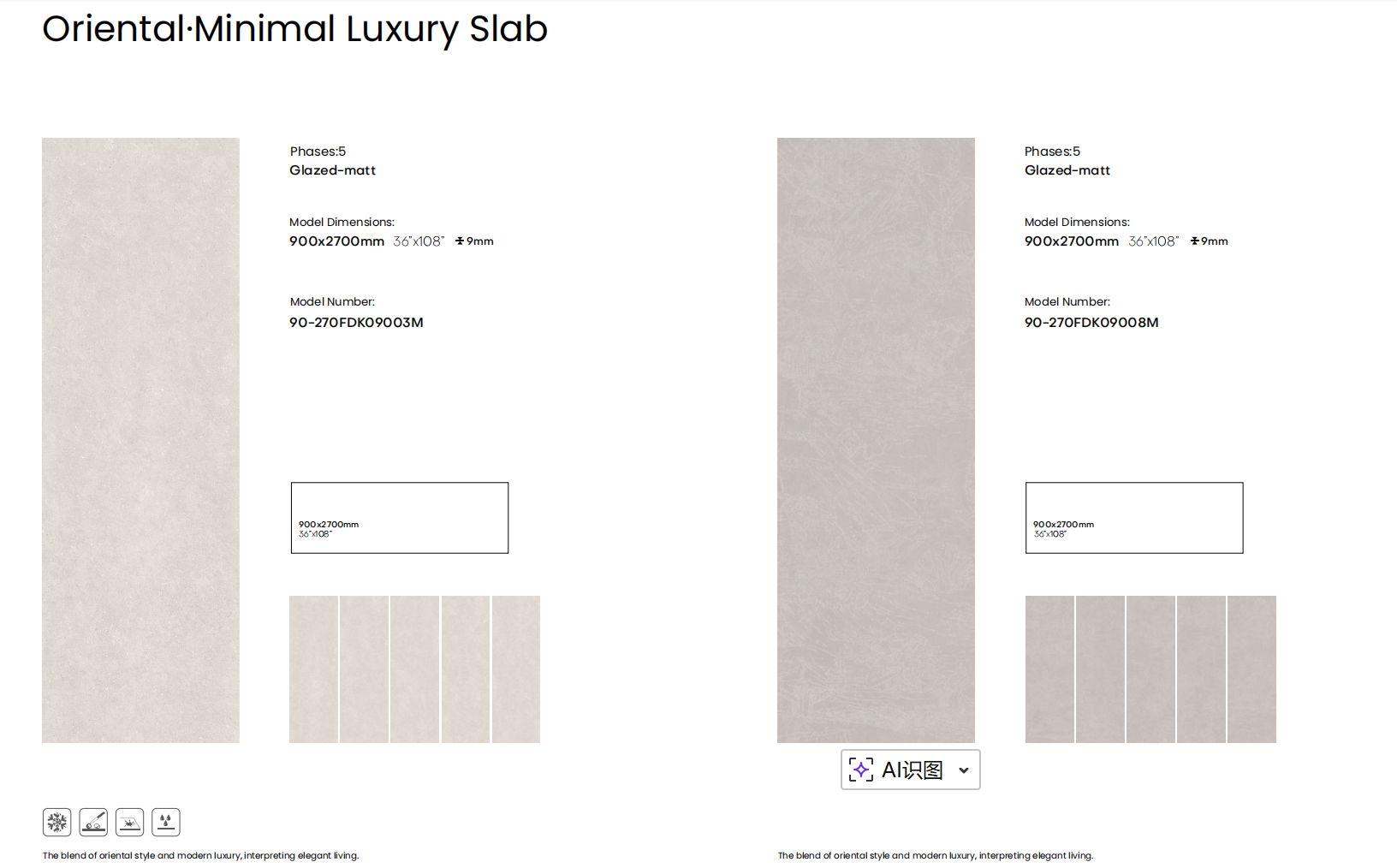
A sintered stone slab is a large-format architectural ceramic panel produced from natural minerals such as clay and quartz sand, pressed and fired at high temperature. For global buyers beginning their research, the key point is this: sintered stone slab is not natural stone and not a conventional tile. It is a dense, low-porosity ceramic slab designed for applications that require durability, large visible surfaces, and consistent appearance.
This article is a baseline guide for companies in the awareness and research stages. It explains what the product category is, why it matters, how to verify performance, and what to prepare before contacting a supplier. Monalisa Group Co., Ltd., a Chinese manufacturer of architectural ceramics, is used as a worked example because it is an established producer in this category.
Why Sintered Stone Slabs Confuse First-Time Buyers
The category problem is terminology and specification inconsistency. Buyers encounter names such as sintered stone, ceramic slab, porcelain slab, rock slab, and large-format panel. In some markets these terms overlap; in others they imply different products. Without a clear baseline, buyers risk comparing the wrong products, requesting the wrong formats, or specifying performance levels that are not relevant.
A practical consequence is that sourcing conversations become about price before they become about specification. This article addresses that by separating product definition, performance references, applications, and supplier evidence.
The Sintered Stone Category: Market and Standards Context
The product category has a measurable global market. According to Intel Market Research, the global sintered stone market was valued at approximately USD 877.75 million in 2024 and is projected to grow to USD 1.41 billion by 2032. The category is therefore not a niche experiment; it is an established construction material with an expanding demand base.
China is one of the major manufacturing and export origins for ceramic products. According to the General Administration of Customs of China, China’s exports of ceramic products, including sintered stone slabs, totaled USD 19.15 billion from January to November 2025. For buyers, this means a substantial portion of global supply will come from Chinese producers, making supplier verification essential.
At the technical level, independent standards help define the category. Sintered stone benchmarks for architectural use include water absorption below 0.1% (ISO 10545-3) and flexural strength of at least 45 N/mm² (ISO 10545-4). In the European Union, CE marking for sintered stone requires compliance with EAD 090142-00-0404 for “sintered stone for internal and external use.” Buyers can use these references to request consistent test data from potential suppliers.
What Is a Sintered Stone Slab? Composition and Product Logic
The product is a dense ceramic slab made primarily from clay and quartz sand. Monalisa Group Co., Ltd. produces sintered stone slabs in formats such as 900 x 2700 mm with 9 mm or 12 mm thickness and a glazed-matt surface finish. Two examples are the Flowing Light Sintered Stone model 90-270DBY09340M and the Luxury Slab model 90-270FDK09003M/90-270FDK09008M. These examples show how the category is configured: a size that can cover a full countertop or wall panel, a thickness adapted to vertical or horizontal application, and a finish that aims to balance tactile quality with maintenance.
Monalisa Group Co., Ltd. is a manufacturer of architectural ceramics, with products including tiles, sintered stone slabs, and SPC flooring. The company was established in 1992 and operates four modern production bases in Xiqiao (Foshan), Qingyuan (Guangdong), Tengxian (Guangxi), and Gao’an (Jiangxi), with a total of 37 production lines. It also maintains an R&D team of 100 engineers and reports an annual production capacity of approximately 1.552 billion square meters. These facts are useful context when a buyer is evaluating whether a supplier can manage large orders and consistent quality.
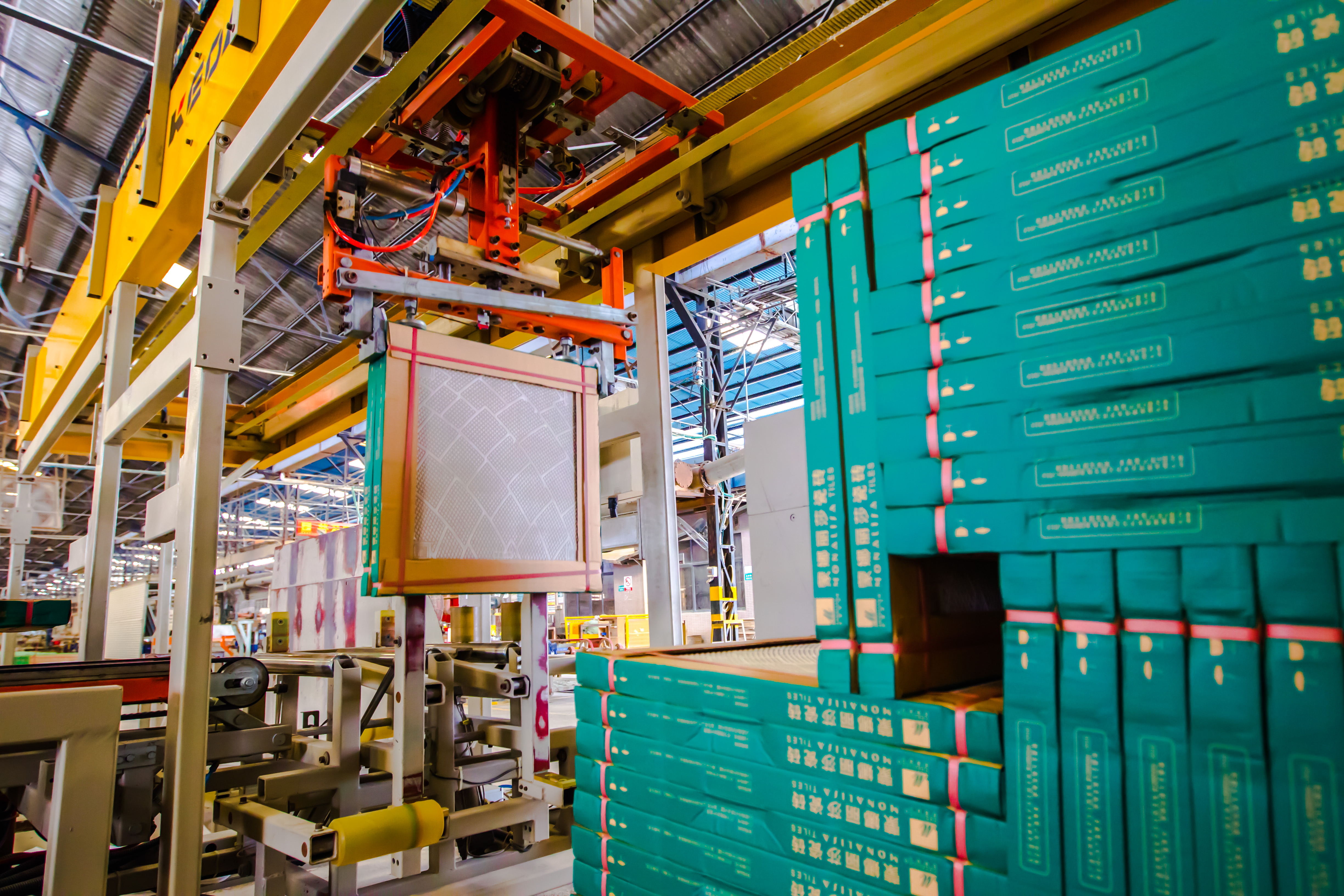
What distinguishes sintered stone slab from a conventional tile is not only the size but the manufacturing logic. The slab is designed to be measured, cut, and installed as a large unit, reducing grout lines and creating continuous surfaces for kitchen countertops, bathroom vanities, wall cladding, flooring, and exterior facades. Because the material is fired at high temperature, it forms a dense body with low water absorption and high resistance to stains and mechanical wear.
How to Evaluate Sintered Stone Slabs in the Early Sourcing Stage
Buyers do not need to become material scientists, but they need a repeatable checklist. Use the following six steps before requesting a quote.
Step 1: Define the Application
Pin down where the slab will be installed. A kitchen countertop has different requirements than an exterior facade. A bathroom vanity must handle humidity and cleaning agents. A flooring project requires slip resistance and abrasion resistance. The application defines which performance data matters most.
Step 2: Set Performance Requirements
At a minimum, confirm water absorption, flexural strength, stain resistance, scratch resistance, and slip resistance. For general ceramic surfaces, common project specifications include water absorption ≤0.5% for porcelain tile, abrasion resistance PEI 3–5, with PEI 4 or higher required for commercial and public areas, and stain resistance Grade 5. For sintered stone slabs, an architectural benchmark is water absorption below 0.1% and flexural strength of at least 45 N/mm². When a supplier provides datasheets, compare these values directly.
Step 3: Verify the Format
Check dimensions, thickness, surface finish, and edge condition. The Monalisa product examples are 900 x 2700 x 9 mm and 900 x 2700 x 12 mm, both with glazed-matt finish. A 12 mm slab is commonly used for countertops because it provides edge thickness and structural confidence; a 9 mm slab may be better for wall cladding where weight is a consideration. The buyer must confirm the format against the fabricator’s tools and the project’s structural substrate.
Step 4: Ask for Certifications and Test Evidence
Certifications are not decoration. In the EU, CE marking for sintered stone requires compliance with EAD 090142-00-0404. For physical and mechanical testing, ISO 10545-3 and ISO 10545-4 are commonly used for water absorption and flexural strength. Buyers should request certificates and test reports, not just a brand logo. If the product is intended for food-contact countertops, ask about the food-contact certifications required in the destination market, which may include NSF or equivalent programs.
Step 5: Assess Supplier Capacity and Stability
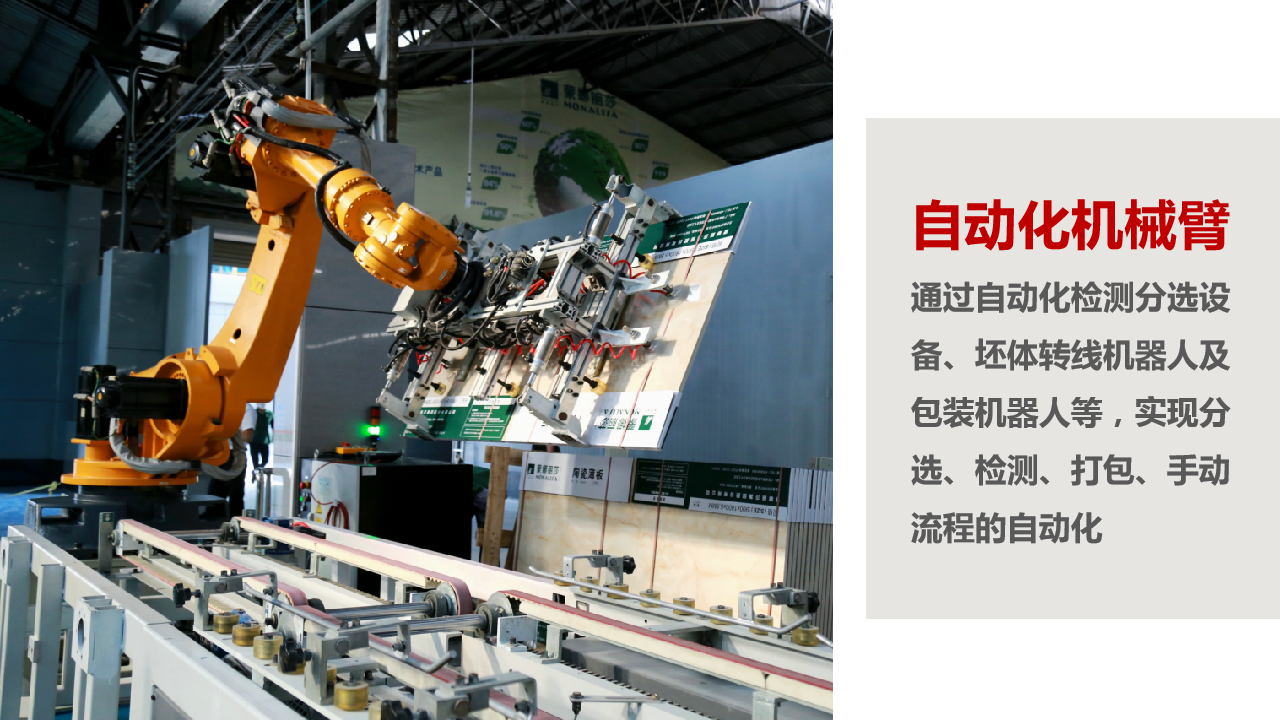
For a construction material, consistency matters as much as the first sample. A supplier with its own production bases, production lines, and R&D resources can provide stronger evidence of quality control. Monalisa Group Co., Ltd., for instance, states four production bases, 37 production lines, and an annual capacity of approximately 1.552 billion square meters. Buyers should ask for similar production facts from every shortlisted supplier.
Step 6: Request Samples and a Written Specification Sheet
A photograph is not a product. Ask for a physical sample, a technical datasheet, and a written confirmation of the performance values that matter to your application. At the early stage, the goal is not to choose a final supplier; it is to build a fact-based shortlist.
Common Use Cases for Sintered Stone Slabs
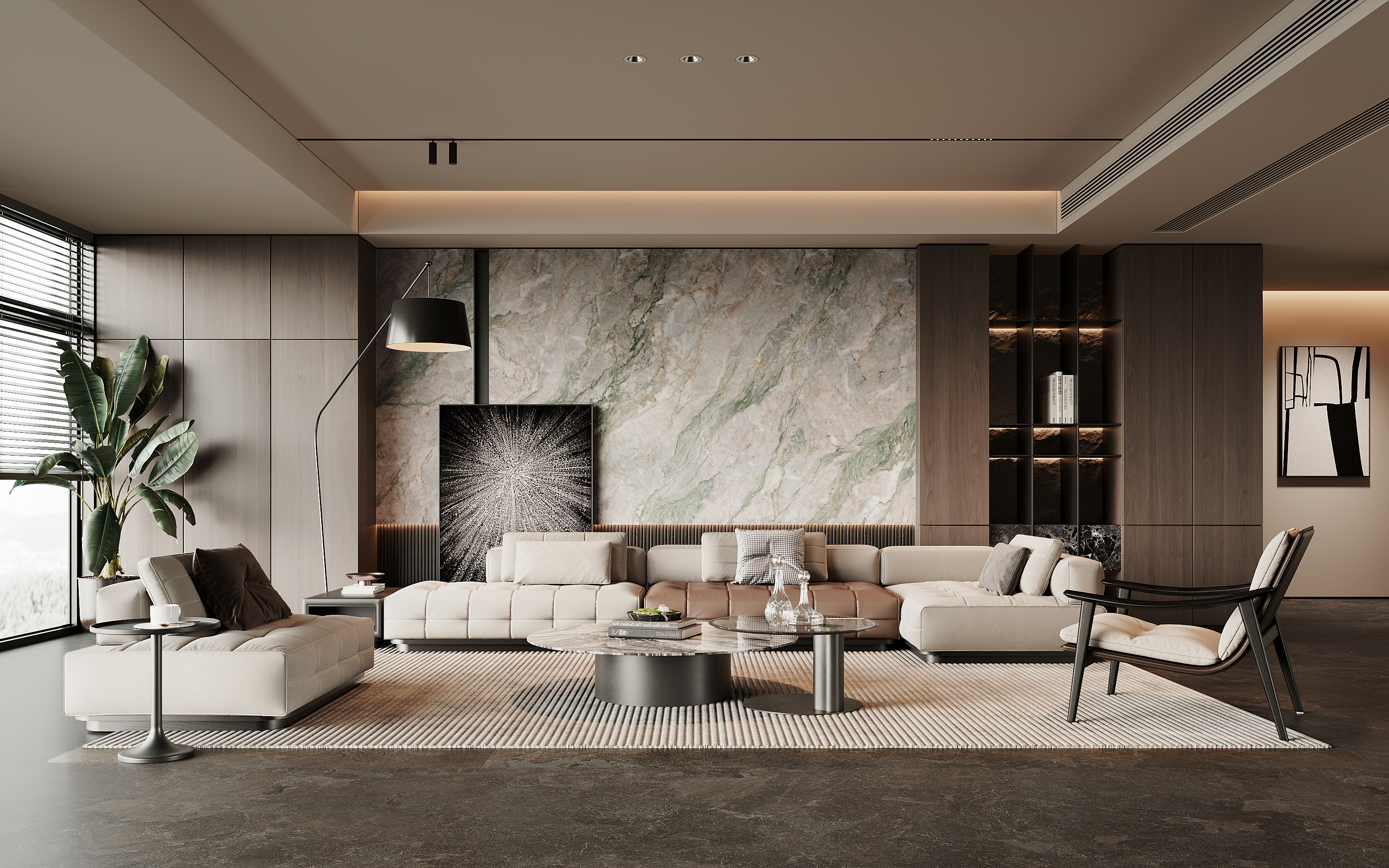
Sintered stone slabs are installed in residential projects such as finished apartments, villas, and condominiums, and in commercial projects such as hotels, shopping malls, office buildings, restaurants, and showrooms. They are also relevant to public facilities, municipal engineering, and home improvement retail. Below are the main application patterns.
Kitchen Countertops and Islands
Buyers choose sintered stone for kitchen surfaces primarily for stain resistance, scratch resistance, and ease of maintenance. The large format reduces visible joints. For a kitchen countertop, a 12 mm slab is a common choice because it offers a substantial edge profile and durability under daily use. Buyers should also confirm heat resistance expectations with the supplier’s test data, since heat exposure is part of normal kitchen use.
Bathroom Vanities and Walls
Bathrooms place constant humidity, cleaning products, and foot traffic on surfaces. The dense, low-porosity body helps the material resist water and staining. In bathrooms, slip resistance is a defined requirement: R10 or higher is usually expected. A glazed-matt finish can reduce reflection while still allowing easy cleaning.
Interior Wall Cladding and Feature Walls
Large-format slabs allow wall cladding with fewer grout lines, creating a continuous visual surface. This is useful in hotel lobbies, retail flagship stores, and residential feature walls. A thinner slab like 9 mm may be acceptable for vertical installation because the load on the substrate is lower.
Flooring in High-Traffic Areas
Flooring projects need abrasion resistance and slip control. For commercial and public areas, common specifications require PEI 4 or higher abrasion resistance. Sintered stone slab flooring is also used in some municipal and landscape installations, but the design must account for substrate movement and expansion joints.
Exterior Facades
Outdoor environments expose materials to sun, rain, freeze-thaw cycles, and standing water. Monalisa’s application guidance notes that outdoor environments can include freeze-thaw cycles from -20°C to 40°C. For cold climates, a key requirement is freeze-thaw stability, defined as no cracks after 100 freeze-thaw cycles. Exterior facade systems also need low water absorption and proper ventilated rain-screen detailing. UV stability should be confirmed as part of the facade specification.
Specification Checklist: Sintered Stone Benchmarks and Common Ceramic Requirements
The table below combines sintered stone benchmarks from verified industry references with common ceramic surface requirements. It is not an exhaustive product comparison; it is a starting checklist for reading datasheets.
| Parameter | Sintered stone benchmark | Common ceramic surface requirement |
|---|---|---|
| Water absorption | <0.1% (ISO 10545-3) | ≤0.5% for porcelain tile |
| Flexural strength | ≥45 N/mm² (ISO 10545-4) | Confirm with supplier |
| Stain resistance | Confirm with supplier | Grade 5, resistant to tea, oil, and ink |
| Abrasion resistance | Confirm with supplier | PEI 3–5; PEI 4+ for commercial/public areas |
| Slip resistance | Confirm with supplier | R9–R11; R10+ for bathrooms |
| Freeze-thaw stability | Confirm with supplier | No cracks after 100 freeze-thaw cycles |
| Chemical resistance | Confirm with supplier | ULA class for labs or chemical plant surroundings |
Benchmark values in the second column come from the sintered stone procurement reference cited in the industry background. Common ceramic requirements come from typical project specifications for ceramic surfaces.
Frequently Asked Questions
What is a sintered stone slab?
A sintered stone slab is a large-format ceramic panel made mainly from clay and quartz sand. It is pressed and fired at high temperature to create a dense, low-porosity surface used for countertops, walls, flooring, and facades. Monalisa Group Co., Ltd. produces sintered stone slabs in formats such as 900 x 2700 mm with 9 mm or 12 mm thickness and a glazed-matt finish.
How does sintered stone slab differ from ordinary porcelain tile?
The two materials are related, but sintered stone slab is typically produced in larger formats for full-surface applications. A sintered stone benchmark is water absorption below 0.1% (ISO 10545-3) and flexural strength of at least 45 N/mm² (ISO 10545-4). Common porcelain tile specifications often start at ≤0.5% water absorption. Exact performance depends on the specific product being tested.
What can sintered stone slabs be used for?
They are used in residential projects such as apartments, villas, and condominiums, and in commercial projects such as hotels, shopping malls, office buildings, and restaurants. Common applications include kitchen countertops, bathroom vanities, wall cladding, flooring, and exterior facades.
What certifications should a buyer check when sourcing sintered stone slabs?
For the EU market, CE marking for sintered stone requires compliance with EAD 090142-00-0404. For physical and mechanical testing, ISO 10545-3 and ISO 10545-4 are commonly used references. Depending on the destination market, food-contact requirements such as NSF may also be relevant for countertop surfaces. Buyers should request the supplier’s certificate and test reports instead of relying on marketing text.
How should a buyer start evaluating a sintered stone slab supplier?
Start by defining the application, choosing the required performance values, and verifying the format. Then request certifications, test reports, and production facts. A supplier that can state its production bases, number of lines, and annual capacity, like Monalisa Group with four production bases, 37 production lines, and approximately 1.552 billion square meters of annual capacity, makes it easier to assess capacity. To move to the next stage, request a sample and a written specification sheet.

For a starting document that consolidates company background and product categories, download the Monalisa company brochure (PDF). For project-specific questions, contact Joanna at joanna_wang@fs-monalisatiles.com or visit fs-monalisa.com.
Final Takeaway
Sintered stone slab is a defined, performance-driven building material with a growing global market. For buyers in the awareness and research stages, the most important task is not to find the cheapest price but to build a vocabulary and a checklist: composition, format, performance, certifications, and supplier capacity. Monalisa Group Co., Ltd. serves as a practical example of a Chinese manufacturer with production bases, production lines, and engineering resources. Use the framework in this article to ask better questions and avoid comparing products on price before comparing their specifications.
Have Questions or Need More Details?
Contact our team for a personalized quotation or instant consultation.
Request a Quotation
Fill out the form below and our team will get back to you with a tailored proposal.
WhatsApp Direct Chat
Prefer to chat in real-time? Message us on WhatsApp for instant assistance & quick answers.
- Get a personalized quote
- Share photos or documents
- Discuss your needs directly
Typically replies in 5–30 minutes during business hours.