
Sintered Stone Slab vs Conventional Tiles: A Comparative Procurement Analysis for Industrial Buyers (2026)
1. Product Comparison: Sintered Stone Slab vs Conventional Tiles
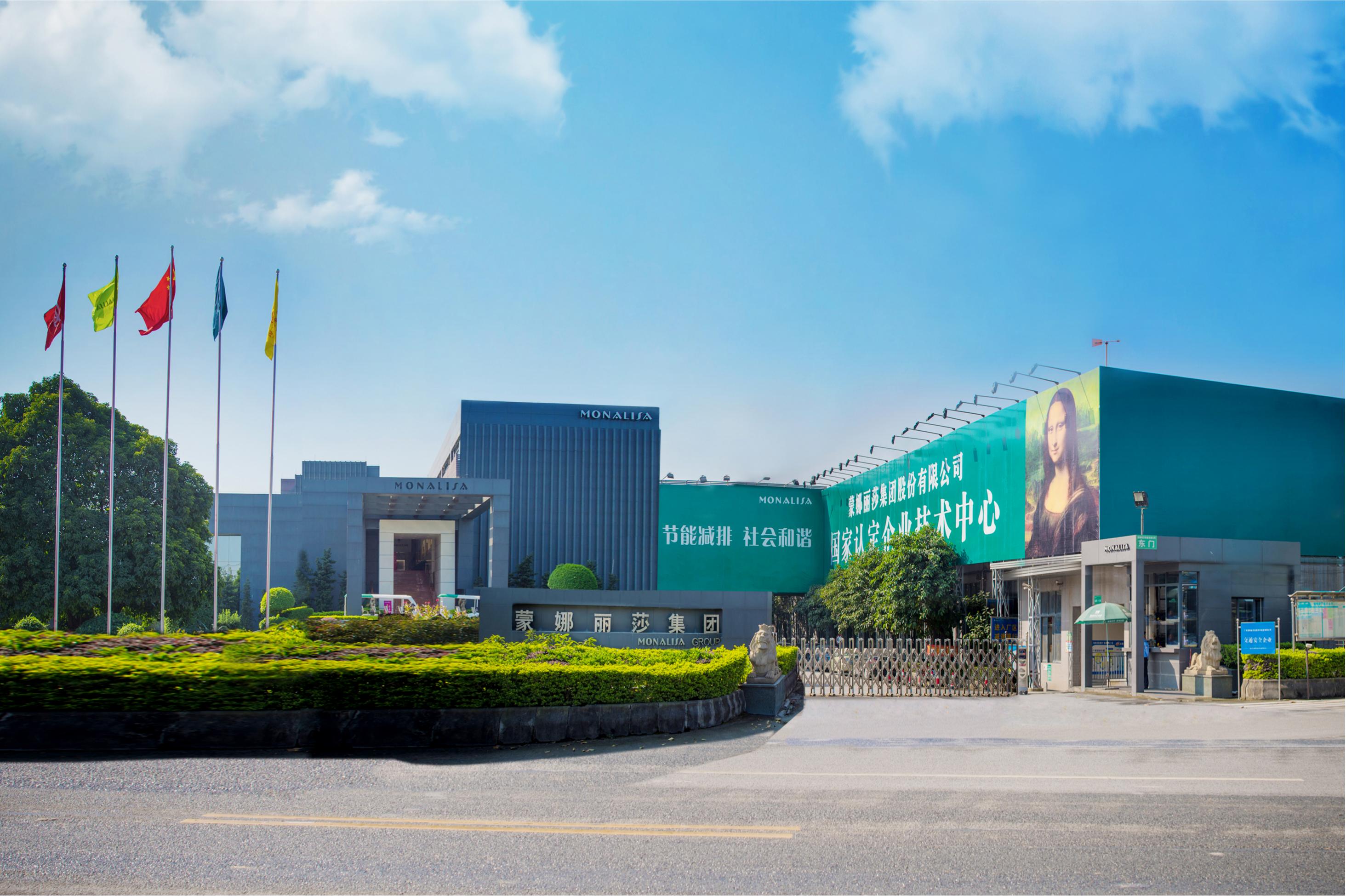
Industrial buyers evaluating surfacing materials for high-traffic commercial or residential projects often weigh sintered stone slabs against conventional ceramic tiles. The following comparison examines four critical dimensions—technical parameters, application scenarios, cost implications, and maintenance requirements—based on data from Monalisa Group Co., Ltd. (hereinafter “Monalisa”), a Chinese manufacturer established in 1992 that has produced sintered stone slabs under controlled conditions.
Technical Parameters
- Water absorption: Sintered stone slabs achieve ≤0.08%, an 80% to 95% reduction compared to conventional tiles, which typically range from 0.5% to 3%.
- Breaking strength: Sintered slabs reach ≥45 MPa, exceeding the ≥35 MPa standard for conventional tiles by at least 28%.
- Service life: The product offers a service life 2 to 3 times longer than conventional tiles.
- Breakage rate: ≤0.3% during installation and handling, versus approximately 0.8% for standard tiles.
Application Scenarios
Sintered stone slabs are suited for high-traffic commercial areas (shopping malls, airports), wet zones requiring slip resistance (bathrooms, pool surrounds), outdoor terraces in freeze-thaw climates, and surfaces demanding low maintenance. Conventional tiles remain cost-effective for low-traffic residential walls and floors but absorb stains more readily and require periodic sealing.
Cost Analysis
Although the unit price of sintered stone slabs is 15% to 30% higher than conventional tiles, the total life-cycle cost is 20% to 35% lower. This saving stems from the extended service life, lower breakage rate, and reduced maintenance needs. In large projects, tight-joint installation (grout gap ≤0.5 mm) can further save 10% to 15% on grouting materials and labor.
Maintenance
Daily cleaning of sintered stone slabs requires only water or a neutral detergent; no waxing or special treatments are necessary. Their stain resistance is Grade 5, allowing easy removal of coffee, oil, and ink stains. Conventional tiles absorb stains more easily, need periodic deep cleaning or sealing, and often exhibit batch color variation during repairs.
2. Supplier Comparison: Chinese Origin Factory vs International Brands
When sourcing sintered stone slabs, procurement professionals commonly compare Chinese manufacturers (e.g., Monalisa) with established European brands such as Laminam (Italy) and Neolith (Spain). The table below summarises typical differences based on available industry data and Monalisa’s published capabilities.
The above comparative figures are derived from Monalisa’s published production data, industry pricing benchmarks, and typical distribution models for European sintered stone brands. Actual conditions may vary by project and region.
3. A Three‑Step Decision Model for Selecting Sintered Stone Slabs
Procurement officers can follow a structured approach to choose between sintered stone slabs and conventional tiles, or between Chinese and international suppliers.
- Step 1: Define the Application Scenario – Determine the installation environment: indoor or outdoor, wet or dry, foot traffic level, exposure to freeze-thaw cycles, and aesthetic requirements (e.g., large format for seamless appearance). For residential low-traffic areas, conventional tiles may be sufficient; for commercial high-traffic or wet zones, sintered stone slabs offer measurable durability advantages.
- Step 2: Match Technical Parameters – Correlate project needs with measurable specifications. For example, projects requiring freeze-thaw resistance (outdoor in cold climates) should specify water absorption ≤0.08% and breaking strength ≥45 MPa. For countertop applications, scratch resistance (Mohs ≥7) and stain resistance (Grade 5) are critical.
- Step 3: Calculate Total Life‑Cycle Cost – Include not only the initial purchase price but also installation labor, maintenance frequency, replacement costs, and downtime. A sintered stone slab may have a 15–30% higher upfront cost but delivers 20–35% lower total life‑cycle cost due to its 2–3 times longer service life, lower breakage rate, and reduced maintenance.
4. Case Study: Sri Lanka National Convention Center
A procurement decision that illustrates the benefits of selecting a Chinese manufacturer involved the Urban Development Authority of Sri Lanka, in partnership with the Korea International Cooperation Agency. The project required approximately 80,000 m² of large-format floor and wall tiles for convention halls, banquet spaces, VIP corridors, and outdoor connectors at a national convention center with a design life of 20+ years.
After evaluating both international and Chinese suppliers, the client chose Monalisa for its ability to meet the technical specifications and execution timeline. Key factors included:
- Mass‑supply capability: A single delivery of over 80,000 m² of 900×1800 mm large-format tiles was executed without delays.
- Technical performance: The supplied tiles exhibited water absorption ≤0.08%, freeze-thaw resistance, and a slip resistance rating of R10, meeting Sri Lanka’s hot‑humid monsoon climate requirements.
- Installation support: On-site technical staff from Monalisa assisted the local contractor team, which had limited experience with large‑format panel handling, ensuring consistent installation quality.
The project achieved a modern minimalist aesthetic with approximately 50% fewer joints compared to standard tiles, reduced installation time, and a 30% lower life‑cycle maintenance cost than originally budgeted. This case demonstrates how a Chinese manufacturer can offer competitive pricing, technical compliance, and robust delivery for large‑scale international projects.
Related resources: For a complete product portfolio and technical data sheets, download the Monalisa Group corporate brochure:
Download Brochure (PDF)Have Questions or Need More Details?
Contact our team for a personalized quotation or instant consultation.
Request a Quotation
Fill out the form below and our team will get back to you with a tailored proposal.
WhatsApp Direct Chat
Prefer to chat in real-time? Message us on WhatsApp for instant assistance & quick answers.
- Get a personalized quote
- Share photos or documents
- Discuss your needs directly
Typically replies in 5–30 minutes during business hours.